
Your Complete Guide to Safe and Healthy Gardening
June 25, 2024
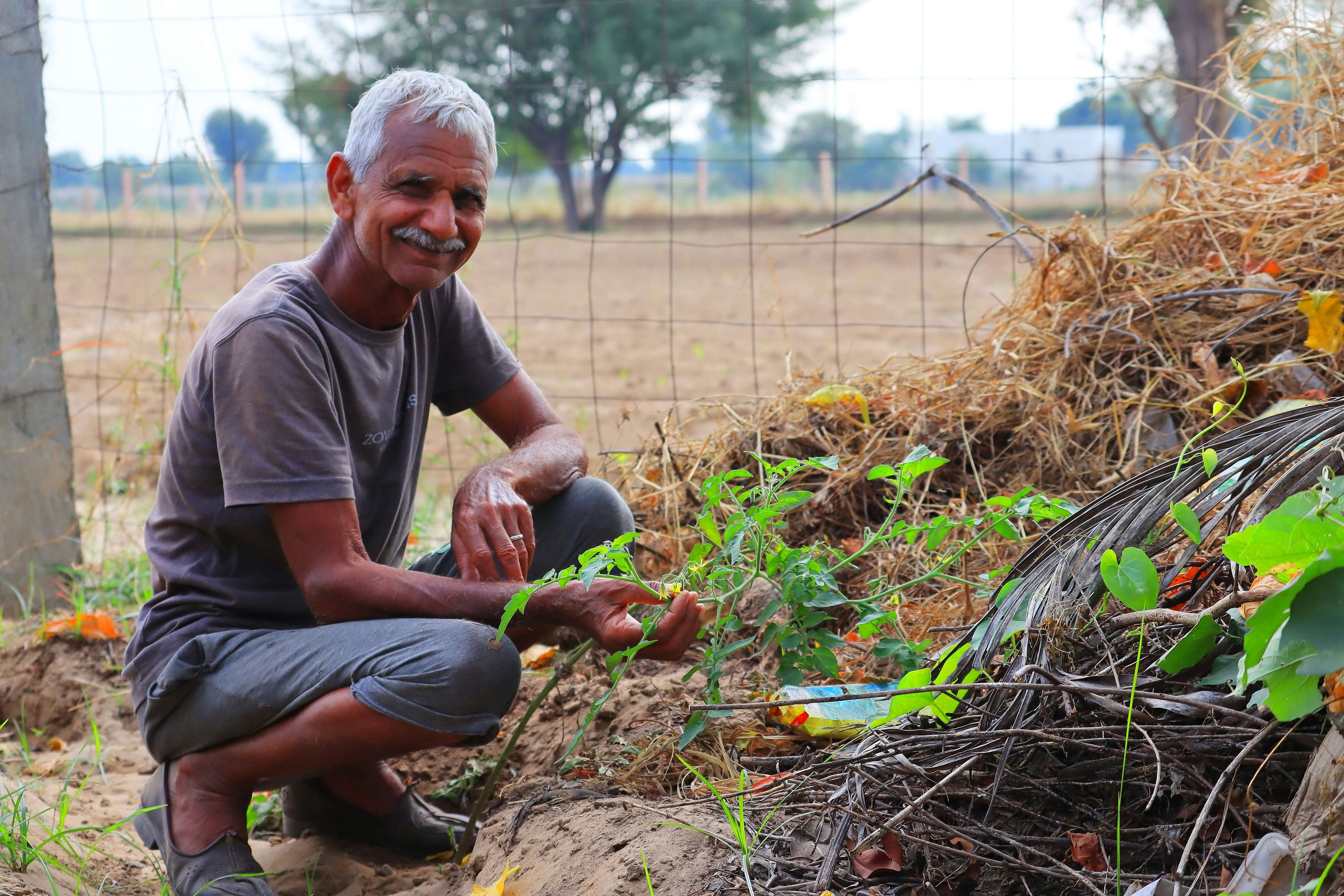
Welcome to our complete guide on safe and healthy gardening! As gardening enthusiasts, it's important to prioritize not just the health of our plants but also our own well-being. This guide will walk you through all of the essential tips to ensure your gardening activities are as safe as they are enjoyable. We'll cover everything from selecting the right gear to protect against the sun and injuries, to maintaining hydration, managing pests, and preventing common gardening injuries through proper stretching techniques. Whether you're just starting out with a small flower bed or you're an experienced gardener tending to a large backyard, these strategies will help you enjoy your gardening time without any worries. So, grab your gardening gloves, and let's dig into how you can keep yourself safe and healthy as you tend to your garden.
Essential Gear for Gardeners
Gardening isn't just a hobby - it's a form of exercise that requires the right gear to ensure you stay safe and comfortable. Some essential protective gear that you should consider when gardening includes hats, gloves, and knee pads. A wide-brimmed hat protects your face and neck from the harsh sun, while durable gardening gloves prevent cuts, scrapes, and irritation from handling plants and soil. Knee pads are also important if you spend a lot of time kneeling, as they cushion your knees, preventing pain and potential long-term joint and mobility issues.
Sunscreen is another non-negotiable item for any gardener. Prolonged exposure to UV rays can lead to sunburn and increase your risk of skin cancer. Choose a broad-spectrum sunscreen with an SPF of 30 or higher. Apply it liberally to all areas of exposed skin, including the back of your neck, ears, and arms, about 15 minutes before you head outside. Remember to reapply every two hours, or more frequently if you're sweating heavily.
Protecting yourself from the sun and injuries means you can spend more time doing what you love without any of the negative consequences.
Keeping Pests Away
Proper pest prevention is very important for any gardener looking to enjoy the outdoors without the annoyance or dangers of insect bites. Using bug repellent correctly is essential for keeping pests at bay. Choose repellents that contain DEET, picaridin, or oil of lemon eucalyptus, and apply them to any exposed skin and your clothing. Make sure to follow the instructions on the product label for the best protection.
Checking for ticks after gardening is equally important, especially if you live in areas prone to Lyme disease. After spending time in your garden, thoroughly inspect your body, especially in your underarms, in and around ears, inside your belly button, the back of knees, in and around your hair, between your legs, and around the waist. If you find a tick, remove it promptly with tweezers, pulling straight out to remove the entire tick, and clean the area well. Keep the tick in a small bottle of bag and take it to your doctor right away. Some people may require a short dose of antibiotics to ensure they don't get sick. These simple steps can significantly reduce your risk of Lyme disease and other tick-borne illnesses.
Preventing Gardening Injuries
Gardening is a rewarding activity, but without proper precautions, it can lead to numerous different injuries. Common gardening-related injuries include lower back pain, knee strain, and wrist injuries. These often occur from repetitive motions, improper lifting, and prolonged bending or kneeling.
To prevent these injuries, it's important to incorporate stretches and warm-up exercises before starting your gardening tasks. A good warm-up prepares your body for physical activity and can significantly reduce your risk of injury.
Back Protection Stretches and Techniques:
- Pelvic Tilts: Stand or lie on your back with your knees bent. Tighten your abdominal muscles while flattening your back against the ground or pulling your pelvis towards your ribs. Hold for a few seconds and release. Repeat 10 times.
- Cat-Cow Stretch: Start on your hands and knees. Arch your back towards the ceiling (like a cat) and then dip it towards the ground (like a cow). This movement helps increase flexibility and ease tension in your spine.
- Proper Lifting: Always bend at the knees, not the waist, when lifting heavy pots or tools. Keep the load close to your body and use your leg muscles to rise, not your back.
Knee Safety Exercises:
- Leg Strengthening: To support your knees, strengthen the muscles around them. Squats and lunges are great for building strength. Make sure to keep your feet flat and back straight during these exercises.
- Knee Rolls: Lie on your back with your knees bent. Slowly roll your knees to one side, hold for a few seconds, then roll to the other side. This exercise helps maintain knee flexibility.
Wrist Care Movements:
- Wrist Flexor Stretch: Extend your arm in front of you with the palm up. With the other hand, gently press the fingers back toward your body. Hold for 20-30 seconds and switch arms.
- Wrist Rotations: Extend your arm and rotate your wrist clockwise and then counterclockwise for 30 seconds each. This helps reduce stiffness and improves range of motion.
Always take regular breaks during gardening to stretch and rest your body, especially after prolonged periods of the same activity. Also, using ergonomically designed tools can help reduce strain on your joints and muscles.
Taking Care of Your Back While Gardening
Maintaining good posture while gardening is important for protecting your back health and keeping it healthy and strong. Gardening can involve a lot of bending and lifting, which, if done improperly, can lead to back strain or more serious injuries. To minimize this risk, it's important to be mindful of your body during gardening tasks.
Using ergonomic tools is one great way to support proper posture. These tools are designed to enhance your comfort and reduce the strain on your body. Features like extended handles can help you avoid bending over too frequently, while padded grips can reduce the stress on your hands and wrists.
Also, consider incorporating raised garden beds into your setup. Raised beds elevate the planting area, making it easier to access your plants without having to bend down or kneel on the ground. This can greatly decrease the pressure on your spine and knees, helping you maintain better posture while you work.
Taking Care of Your Body After Gardening
After a fulfilling day of gardening, it's important to focus on post-gardening care to prevent muscle stiffness and help with recovery. Cool-down stretches, such as gentle torso twists and arm reaches, can help relax tightened muscles and increase flexibility.
Incorporating massage therapy after gardening can greatly reduce muscle soreness. A good massage not only soothes aching muscles but also improves circulation, speeding up the recovery process. For added convenience and relaxation, consider booking an in-home massage. This allows you to enjoy the benefits of professional massage therapy in the comfort of your own home, helping you recover faster and get ready for your next gardening session!
Cultivate Well-being in Your Garden and Beyond
Gardening is a joyful and rewarding activity, but it's important to approach it with an emphasis on safety and health to ensure it remains a joy and not a strain. Throughout this guide, we've shared essential tips on wearing the right gear, staying hydrated, managing pests, and using ergonomics to protect your body. These practices are the key to making your gardening experience as safe and enjoyable as possible.
Don't let muscle soreness dampen your gardening spirit. After a day in the dirt, consider treating yourself to a professional massage session. Massage therapy is excellent for easing muscle tension, enhancing recovery, and preparing you for another enjoyable day of gardening. With BigToe Yoga, booking an in-home massage is as simple as a few taps on your phone or clicks on our website.
Are you ready to transform your gardening and recovery experience? Visit our website or use the BigToe app to schedule your next massage session today. Keep your garden - and yourself - in flourishing health!
Frequently Asked Questions
Why does my back hurt after gardening?
Your back may hurt after gardening due to prolonged bending, lifting, or twisting without proper form or breaks, which strains the muscles and spine.
How can I garden without hurting my back?
To avoid back pain while gardening, use ergonomic tools, maintain proper posture, take frequent breaks, and engage in stretches before and after gardening.
Why do I ache so much after gardening?
Aching after gardening often results from using muscles that aren't frequently engaged, prolonged repetitive tasks, or not using proper body mechanics while working.
What is it called when a masseuse comes to your house?
When a masseuse comes to your house, it is typically referred to as an in-home massage or mobile massage service.
What are the benefits of an in-home massage?
In-home massage offers convenience, privacy, and comfort, allowing you to relax deeply without the need to travel, enhancing the therapeutic effects of the massage.


Need a massage today?
Same-day massage sessions available near you. Book online and a licensed Bigtoe therapist will be at your door - fast.
Book a Session Now